
TL;DR
7 min readAnswer engine optimization is the work of structuring content so ChatGPT, Perplexity and Google AI Overviews retrieve it and name your brand inside the answer. The acronyms have not settled: Ahrefs, Semrush and HubSpot each define AEO differently, and Google uses none of them. You measure it by counting how many of a frozen prompt list return your brand, because no engine sells a guaranteed citation.
What is answer engine optimization?
The discipline of answer engine optimization structures content so AI answer engines such as ChatGPT, Perplexity and Google AI Overviews retrieve it, cite it, and name the brand inside the answer instead of sending a click. The mechanism is retrieval, not ranking. An engine runs its own searches while composing a reply, pulls passages it can quote, and credits some of the pages behind them. Make one page answer one buyer question in its opening sentence, then work on getting named in the third-party pages those engines pull from.
What is an answer engine?
An answer engine is a search product that resolves the question inside its own interface and treats links as evidence for the answer it already wrote. ChatGPT, Perplexity, Claude, Gemini and Google AI Overviews all behave this way. Google documents its version as query fan-out, "issuing multiple related searches across subtopics and data sources", in its AI features guidance for site owners (10 December 2025). The answer, not your page, is what the buyer reads, the same shift behind the rise of zero-click search and behind Google's AI Overviews. Check your analytics for referrals from chatgpt.com and perplexity.ai to see which engines already reach you.
AEO, GEO, AIO, LLMO: has any term won?
No term has won, and the biggest published definitions disagree with each other. The table records who says what, with the date on each source.
| Term | Source and date | What that source means by it |
|---|---|---|
| AEO | Ahrefs, Despina Gavoyannis, 28 August 2025 | "The practice of making your content visible and useful to AI systems that deliver direct answers." Ahrefs files GEO separately. |
| AEO | Semrush, Zach Paruch, 16 April 2026 | "A set of marketing practices used to increase your brand's visibility in AI-gen answers." Never mentions GEO; adds agentic search optimization. |
| AEO | HubSpot, updated 30 July 2026 | An umbrella for "all motions used to improve citations and mentions in answer engines", and notes that marketers swap AEO and GEO. |
| GEO | Aggarwal et al., arXiv 16 November 2023, published at KDD 2024 | The original academic term: a black-box framework for improving visibility in generative engine responses, reported to lift it by up to 40 percent. |
| AIO, LLMO, SEO for AI | Vendor blogs, no primary definition | Synonyms for one of the definitions above. |
| No acronym | Google Search Central, updated 10 December 2025 | "There are no additional requirements to appear in AI Overviews or AI Mode, nor other special optimizations necessary." |
Two things fall out of that table. GEO, the academic term, predates the marketing term AEO by two years, and the company running the largest answer engine uses neither acronym. Pick one label, define it on first use in your own docs, and treat the rest as synonyms. The longer version of the older term is in the guide to generative engine optimization.

How do answer engines pick which sources to cite?
Retrieval picks the candidate pages and generation picks the sentences worth quoting. The engine expands the prompt into several searches, ranks the passages it fetches by how completely they answer each one, then writes from the passages it kept. A page earns a citation when it holds a short, self-contained statement that settles one of those questions and names its subject in full. Write that statement as the first sentence under a heading matching the question, name the brand and the category in it instead of writing "it", and keep it short enough to lift whole.
What changes compared with classic SEO, and what stays the same?
| What changes | What stays the same |
|---|---|
| A named mention inside the answer replaces the ranked link as the unit of success | Crawling and indexing gate everything; a page an engine cannot fetch cannot be cited |
| Forum threads and review sites you do not control become part of what gets cited about you | Matching the real question's wording still decides relevance |
| The query set is long conversational prompts, not head keywords | Original, first-hand, specific content still wins the quote |
| Measurement moves from rank tracking to counting prompts that name you | Clean HTML, working canonicals and fast pages still apply |
Google is blunt about the second column: "You don't need to create new machine readable files, AI text files, or markup to appear in these features" (Google Search Central, 10 December 2025). That includes the llms.txt proposal, which Jeremy Howard published on 3 September 2024 and revised on 10 August 2026. OpenAI, Anthropic and Google publish llms.txt files for their own docs and Chrome's Lighthouse audits sites for one, so the file earns its place for agents. It is not an entry ticket to AI Overviews.
Why do forum and community mentions matter to models?
Community threads already answer the comparison questions answer engines get asked, which puts them in the retrieval pool ahead of vendor pages. Semrush's AI Overviews study (Jana Garanko, refreshed 15 December 2025) found that discussion and forum blocks appear alongside AI Overviews, and that those blocks feature Reddit and YouTube. When a buyer asks for the best tool in your category, the pages that already hold an argued, ranked list were written by users, not by your marketing team. Answer recommendation threads in your category with your affiliation disclosed, and your brand starts appearing in the text that gets retrieved.
How does a brand measure whether it is being named?
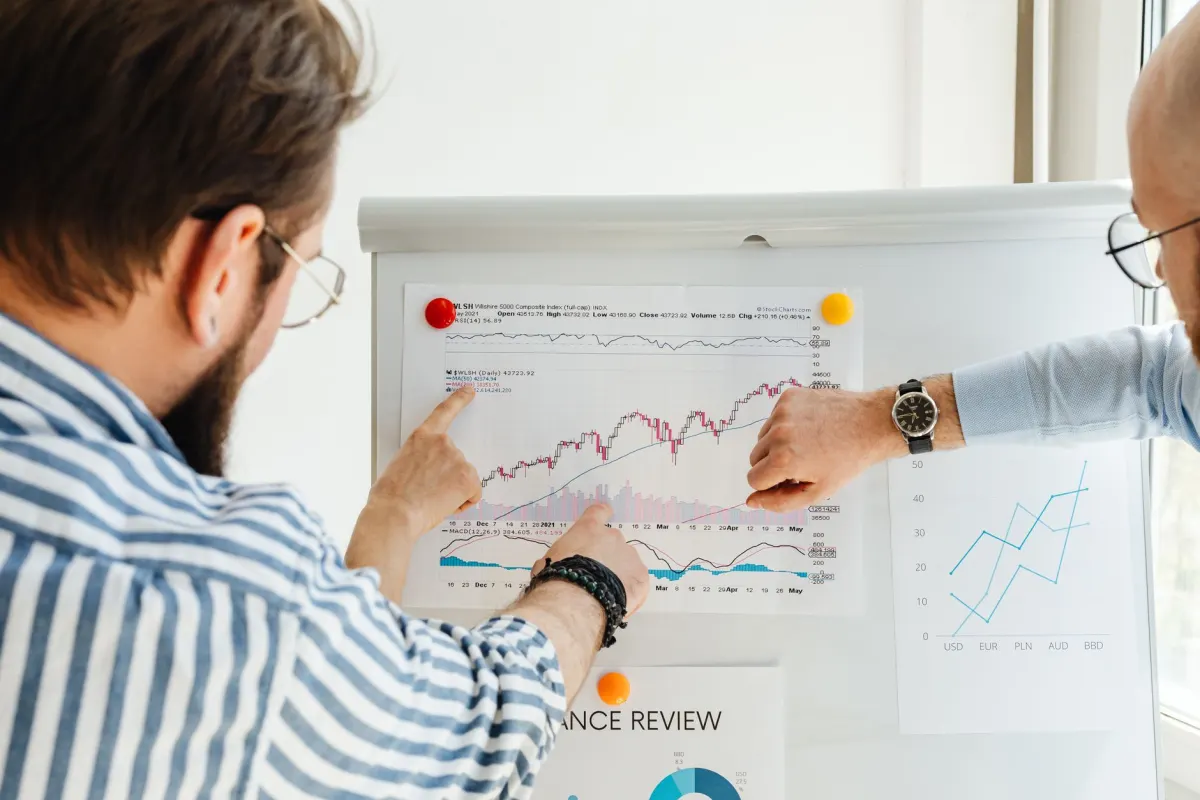
Run a fixed list of buyer prompts against each engine on a schedule and count the answers that name you.
Answer share = (prompts whose answer names your brand) / (prompts run) x 100
Run 120 prompts across ChatGPT, Claude and Gemini, find your brand in 27 of the answers, and your answer share is 22.5 percent. Keep the list frozen between runs, because editing prompts moves the number more than your content does. Log the cited URLs too, since a citation pointing at a Reddit thread asks for different work than one pointing at your pricing page. RedReplier tracks where ChatGPT, Claude and Gemini cite your brand and monitors Reddit, X, Bluesky, Facebook and Hacker News alongside it, so the count and the community mentions feeding it sit in one view. Split the same count across your competitors and you have AI share of voice.
Can anyone guarantee a citation?
No, and Google says so in writing: "Just because a page meets all requirements, best practices, and complies with the policies, doesn't mean that Google will crawl, index, or serve its content. Indexing and serving isn't guaranteed" (Google Search Central, 10 December 2025). Two runs of the same prompt an hour apart can cite different pages, because the engine repeats retrieval each time and the model changes without notice. Treat any vendor promising guaranteed placement in ChatGPT or AI Overviews as selling something no engine offers. Judge the program on the trend in your answer share.
Frequently asked questions
Is answer engine optimization the same as generative engine optimization?
The two labels describe the same work. GEO is the older, academic one, introduced by Aggarwal and co-authors on arXiv on 16 November 2023 and published at KDD 2024. AEO is the marketing one that Ahrefs, Semrush and HubSpot use, and HubSpot's guide (updated 30 July 2026) says plainly that marketers swap the two. Choose one, define it on first use, and stop arbitrating.
Does answer engine optimization replace SEO?
No. Answer engines retrieve from a crawled, indexed web, so a page that crawlers cannot reach cannot be quoted by the systems reading those indexes. AEO adds a second scoreboard, the named mention, on top of the ranked link you were already chasing.

RedReplier
Get Started
Reddit, X, Bluesky & HN
Real-time intent alerts
Unlimited AI replies
Ranked by buyer intent
How long does it take before AI answers name a brand?
The lag is crawl time plus index refresh plus retrieval, and no engine publishes a figure for it. Measure it instead. Freeze a prompt list, record your answer share before you publish anything, then rerun the identical list every month.
Do I need an llms.txt file for answer engine optimization?
Not for Google, which states that no machine-readable files, AI text files or markup are needed to appear in AI Overviews or AI Mode (Search Central, 10 December 2025). Jeremy Howard's llms.txt proposal (3 September 2024, revised 10 August 2026) is adopted by OpenAI, Anthropic and Google for their own docs, so it helps agents read them. Publish one for that reason, not as a citation lever.
Which pages should a team write first for AEO?
Write the pages that match what buyers ask an engine out loud: what a term in your category means, which tool fits a named use case, how your product compares with a named competitor, and what it costs. Give each page one question and answer it in the first sentence with your brand named. A clean one-paragraph definition gets quoted more than a long guide that hides it in section six.
How do I find out which content an engine actually used?
Read the citations, not the prose. Every major answer engine lists its sources beside or beneath the answer, so log the cited URLs on each run and group them by domain. If a competitor's comparison page and three Reddit threads carry the answer in your category, those pages are your work list.
How many prompts should a brand track for answer share?
Enough to survive noise. The post's own example runs 120 prompts across ChatGPT, Claude and Gemini and finds the brand named in 27 of those answers, an answer share of 22.5 percent. Keep the same list on every run, because editing prompts moves the number more than your content does.
What does Google mean by query fan-out?
Query fan-out is Google's own name for how an answer engine researches a question before it writes the reply. Its AI features guidance for site owners, updated 10 December 2025, describes it as issuing multiple related searches across subtopics and data sources. That fan-out is why one buyer question can pull passages from several pages instead of one ranked result.
How do I know which AI engines already send me traffic?
Check your analytics for referrals from chatgpt.com and perplexity.ai. Those referral domains show which answer engines already send clicks, separate from the named mentions that never generate a click at all.
Why does the same prompt cite different pages on separate runs?
Because the engine repeats retrieval every time instead of caching a fixed answer, and the underlying model changes without notice. Google states plainly that meeting every requirement does not guarantee a page gets crawled, indexed, or served. Judge a program on the trend in answer share, not on any single run.
See us more often in Google
One click marks RedReplier as a preferred source, so our articles sit higher in your Top Stories, AI Mode, and AI Overviews.
Before you go...
RedReplier
Catch every buyer asking for what you sell
RedReplier watches Reddit, X, Bluesky and Hacker News in real time, ranks every thread by buyer intent, and drafts your reply, so you get there first.
Reddit, X, Bluesky & HN
Real-time intent alerts
Unlimited AI replies
Ranked by buyer intent
Related Articles
When an AI Hallucination Invents Facts About Your Brand
An AI hallucination is a false statement a language model states with full confidence, misdescribing your brand's product, price or policy uncorrected.
What Google's AI Overviews Are, and What a Publisher Can Control
Google AI Overviews explained: rollout dates, how Google says sources get chosen, what nosnippet and Google-Extended control, and why Search Console hides them.
Verified AI Search Statistics, and the Source Behind Each Number
Current AI search statistics on ChatGPT, Google AI Overviews, click through and referral traffic, each carrying the organization that published it.